


Navigating the complex technical and experimental landscape of physical artificial intelligence robotics simulation software often feels like trying to map an infinite digital galaxy without any coordinates.
Millions of enthusiastic robotics developers and engineering students tune in every single week to watch advanced autonomous machines learn complex movement behaviors inside virtual environments.
Understanding how high-fidelity physics simulators operate transforms you from a casual hardware hobbyist into a deeply knowledgeable automation expert.
Many newcomers struggle because they lack a clear roadmap to interpret complex sensor models, rigid body dynamics, and machine learning reinforcement loops.
This comprehensive guide breaks down everything you need to know about professional robotics simulation platforms without any confusing academic jargon. Grab your favorite snacks and get ready to master the hidden software mechanics behind modern autonomous machine development today.
Every single simulation iteration carries massive weight for developers fighting desperately to deploy safe robots into the real world. The modern engineering ecosystem rewards dedicated followers who invest time in learning these essential structural software drivers.
Staying ahead of the curve ensures you never miss a beat when major robotics frameworks reshape the tech scene. True fans know that understanding simulator mechanics makes building physical intelligence much more rewarding and fun.
A. Evaluating Physics Engines and Dynamics
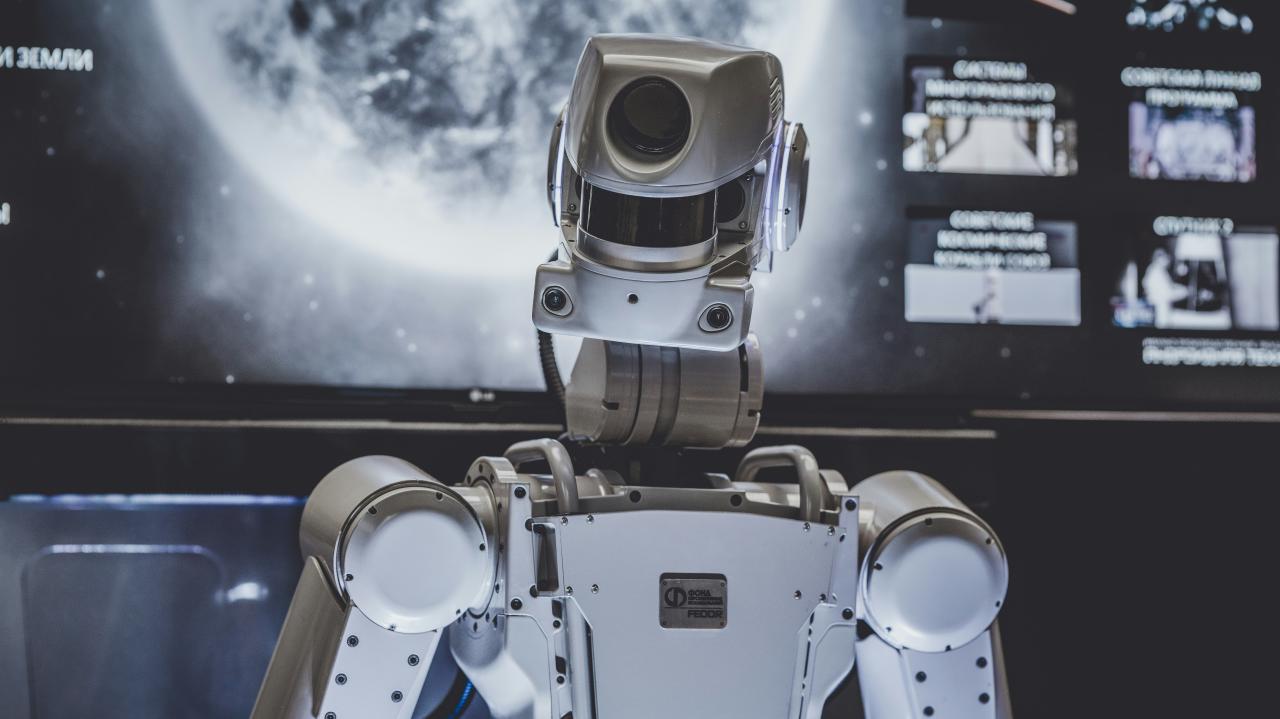
High-performance physics engines form the beating heart of any physical artificial intelligence robotics software ecosystem on the modern market.
Major software developers push massive dynamics calculation updates every single quarter, altering collision detection metrics and friction coefficient choices overnight.
Industry stakeholders prefer studying high-tier physics solvers because they reveal the most reliable paths to accurate motion simulation.
Many robotics engineers get frustrated when their bipedal walking models crash during physical testing because of poor contact dynamics in the simulator.
You can solve this common simulation problem by tracking sub-step calculation rates and custom material friction parameters rather than relying on default settings alone.
This advanced technical adaptability helps you understand why professional development teams switch physics engines whenever new simulation updates drop.
Furthermore, analyzing multi-body contact benchmarks reveals which software platforms process complex collisions faster before the general tech audience notices.
Mastering these physics evaluation metrics gives you a massive analytical edge over other developers in community forums. You will stop guessing blindly about robot stability and start recognizing the true mathematical forces driving physical artificial intelligence forward.
B. Mastering Sensor Simulation and Lighting
Advanced sensor simulation tools vary wildly from basic depth cameras up to exclusive multi-tier LiDAR and radar suites across global development platforms.
Competitive robotics companies usually prefer dynamic synthetic data generation to maximize mainstream machine learning training speeds during high-stakes project phases. Saving valuable computing bandwidth prevents rendering bottlenecks during frantic multi-sensor data collection periods.
A major problem for automation programmers is finding authentic sensor noise models without navigating intrusive proprietary vendor systems and overpriced calibration toolkits.
You can easily solve this data dilemma by following official simulation benchmark reports and authorized developer deployment guides before building. Tracking sensor fidelity agreements also ensures your autonomous navigation model stays robust across different simulated weather conditions.
Recognizing the commercial benefits of realistic sensors helps you understand why artificial intelligence training budgets continue to scale upward.
This deeper perspective stops you from complaining about rendering lag and builds true appreciation for complex physics pipeline economics. Embracing this optimized viewpoint makes your overall robotics development support experience significantly more streamlined and reliable.
C. Unlocking Hardware-in-the-Loop Integration
Hardware-in-the-loop integration platforms hidden inside modern robotics simulation software influence both deployment speed and overall operational safety significantly.
Premium real-time communication protocols eliminate physical testing risks without introducing noticeable latency penalties for millions of active robot joints. Crisp synchronization infrastructure also provides satisfying control precision with every single microcontroller command you transmit.
You can conquer regional hardware limitations by exploring localized containerized simulation environments and edge-computing clusters on your own.
This smart habit ensures your development rig stays connected to massive computing power like those popular across advanced industrial automation labs. Combining real-time control software with robust hardware stability opens doors for millions of new engineers to deploy autonomous systems safely.
Additionally, understanding middleware communication shifts helps you choose between traditional robot operating systems and fast-growing custom container architectures.
Connecting these integration choices with global technology trends reveals the secret to modern automation cost reduction. This insider awareness transforms an ordinary programming habit into a lasting masterclass in global digital engineering.
D. Surviving the Endless Simulation Testing Cycle
The emotional rollercoaster of tracking frequent artificial intelligence model updates and sim-to-real transfer gaps can severely drain your mental energy as an engineer.
Tech professionals frequently experience extreme FOMO when rival teams publish breakthrough reinforcement learning videos right before major project milestone deadlines.
Managing this constant industry pressure requires adopting a balanced mindset focused on solving actual automation problems rather than chasing social media hype.
A great way to solve testing anxiety is by taking intentional breaks from endless code debugging and focusing purely on basic physical prototyping. Sharing honest performance error logs online later turns stressful troubleshooting sessions into helpful bonding moments with fellow robotics developers.
Furthermore, stepping away from viral tech debates protects your mental well-being during chaotic product release exhibition weekends.
Reminding yourself that robotics development is an evolving engineering journey keeps your passion alive for many years to come. Every professional choice ultimately serves to enhance your personal mastery in building autonomous physical systems.
Conclusion
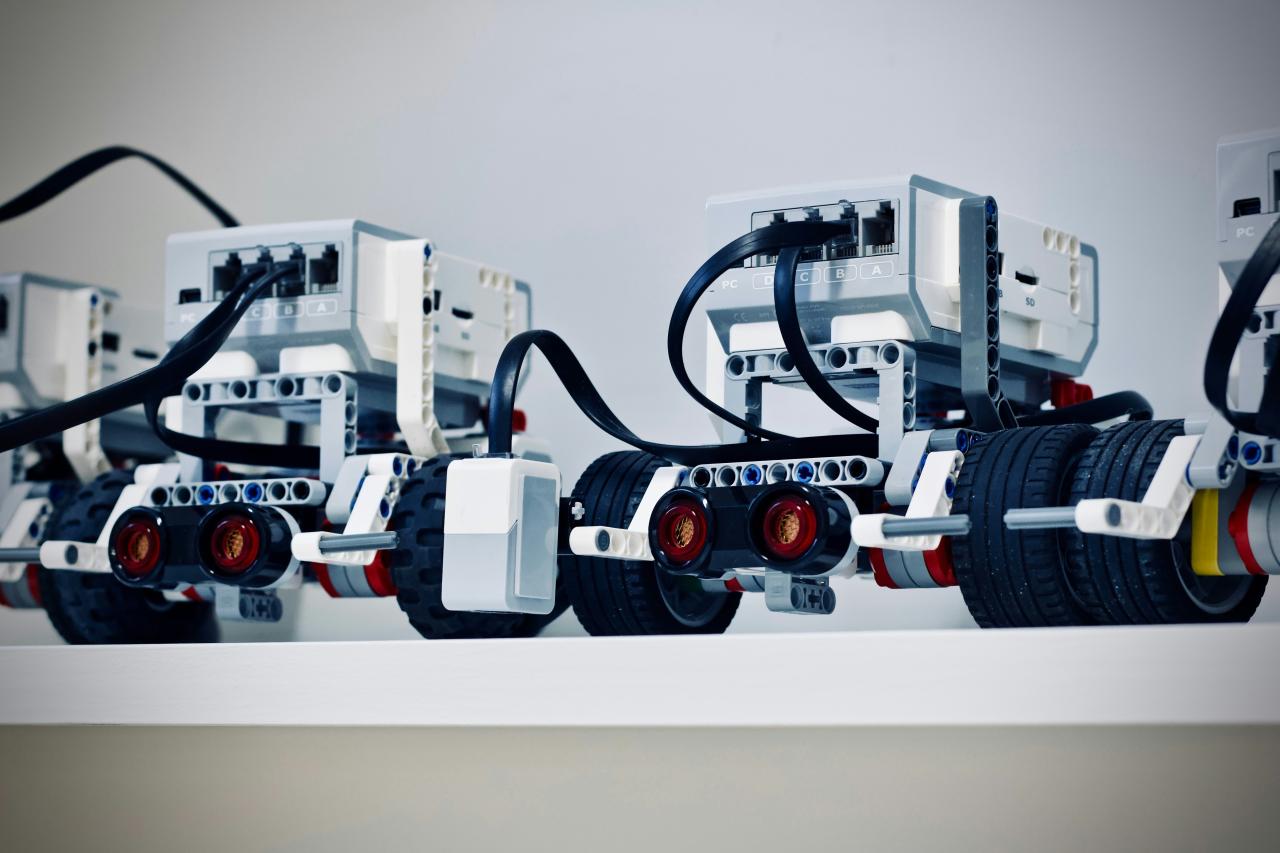
Mastering physical artificial intelligence simulation requires careful technical study. Smart developers test physics models daily to ensure success.
True knowledge unlocks better autonomous navigation. Global engineering demands absolute dedication from every team member.
Winning robotics projects requires zero guesswork. Dedicated supporters love exploring innovative software updates.
Every single adjustment changes real-world results. Passionate communities celebrate clever simulation breakthroughs.
Amazing digital tools inspire new engineers. Quality programming rewards absolute dedication over time. Future updates bring endless exciting technical surprises. True legends rely on smart simulation tracking.